
Miloš Mázor
4. September 2026
Crypto for Beginners: What You Should Know Before Buying Bitcoin for the First Time
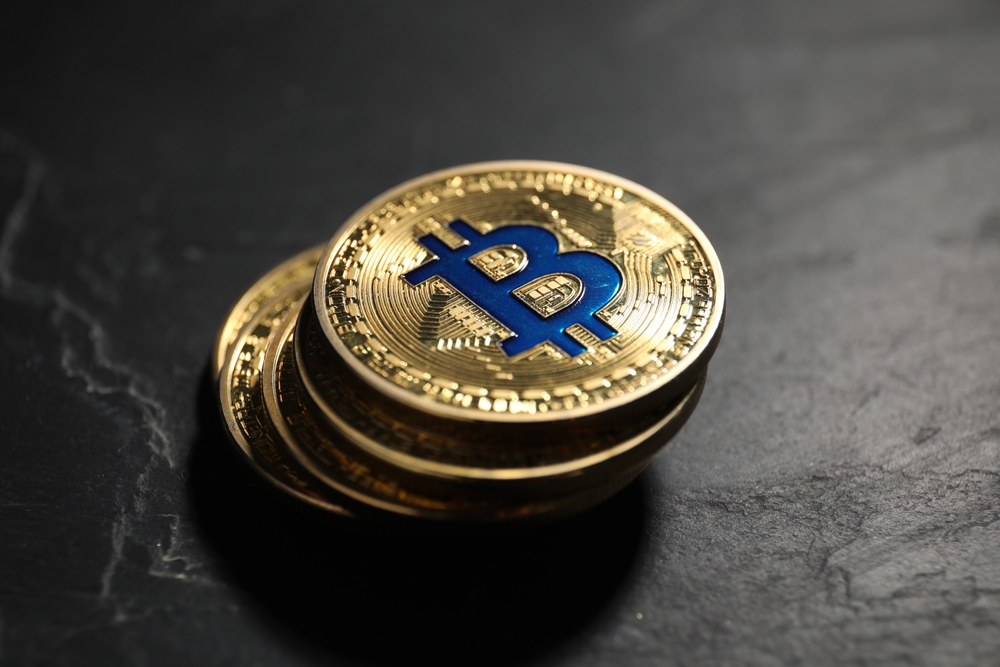
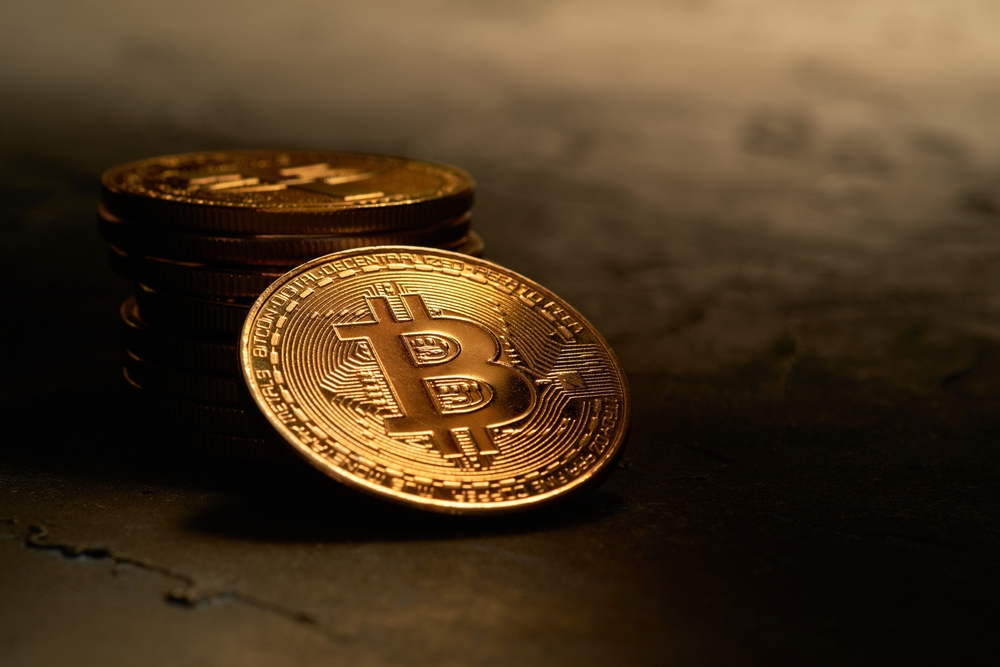
Bitcoin has long stopped being just a technological curiosity for a small circle of enthusiasts. It has become part of investment debates, financial markets, and everyday conversations of people wondering where to put part of their money. But that is precisely where its risk lies. The more accessible bitcoin becomes, the easier it is to buy it without a basic understanding of what you are actually buying.
For a beginner, the first question should therefore not be "how much can I make on this?" but rather "do I understand this well enough to bear a potential loss?". Bitcoin can be an interesting part of an investment portfolio, but it is not a savings account, a guaranteed return, or a shortcut to getting rich quickly.
What Bitcoin Is and Why It Has Value
Bitcoin was created as a digital payment system that requires no central authority, bank, or intermediary. The original document, known as the Bitcoin white paper, described it as peer-to-peer electronic cash, a system in which people can send value directly to one another.
Unlike ordinary currencies, bitcoin is not issued by a central bank. Its rules are written into the protocol, and the total supply of bitcoin is limited. This limited supply, decentralized nature, and growing adoption are among the main reasons some investors view bitcoin as a digital alternative to gold.
That does not mean its price must only rise over the long term. Bitcoin's value is the result of supply, demand, market sentiment, technological development, regulation, and the broader economic environment.
Bitcoin Is Not the Same as All of Crypto
Beginners often use the words bitcoin and cryptocurrency as synonyms. In reality, bitcoin is just one type of crypto-asset, albeit the best known. Alongside it exist thousands of other tokens, stablecoins, and projects that differ in purpose, technology, risk level, and trustworthiness.
According to the Council of the European Union, crypto-assets are digital representations of value or rights that can be transferred and stored electronically using distributed ledger technology or similar technology. For an ordinary investor, what matters most is that not every crypto-asset is "the next bitcoin." Many projects have no proven track record, no clear economic model, and insufficient liquidity.
For someone starting out with crypto, bitcoin is usually the simplest entry point for understanding the whole market. But even with bitcoin, a simple purchase does not mean a simple investment decision.
Before You Buy Bitcoin, Define Your Reason
The worst investment strategy is to buy just because everyone around you is talking about bitcoin. With crypto, this is doubly true. Rapid price growth often attracts new investors at exactly the moment when the market is overheated and the risk of a correction is high.
Before your first purchase, it is worth answering a few basic questions. Are you buying bitcoin as a long-term investment? Do you just want to try out the technology? Do you see it as a small speculative part of your portfolio? Or are you expecting a quick profit within a few weeks?
That last approach is the most dangerous for beginners. Bitcoin can drop sharply within a short time, and an investor without a plan often sells in a panic. With cryptocurrencies, it therefore makes more sense to think in a longer time horizon and invest only money whose loss would not threaten everyday life, your emergency reserve, or your ability to meet obligations.
Volatility Is Not a Bug in the System, but a Feature of the Market
Bitcoin can rise very quickly, but it can fall just as fast. This is one of the main things a beginner should accept even before the first purchase. Anyone who cannot stomach a decline of tens of percent should think very carefully about how large a share of their portfolio they put into crypto.
Many crypto-assets are highly risky and speculative. A beginner should therefore not treat bitcoin as a substitute for a financial reserve. A reserve should be stable and quickly accessible. Bitcoin can be an investment asset, but due to price fluctuations it is not suitable as a place for money earmarked for rent, taxes, healthcare costs, or short-term goals.
Where to Buy Bitcoin
Bitcoin can be bought through cryptocurrency exchanges, exchange offices, brokerage platforms, or bitcoin ATMs. For an average beginner, the most important thing is not to chase the lowest fee at any cost, but to choose a trustworthy provider with clear terms, a good reputation, and transparently stated fees.
In the European Union, the crypto-asset market is gradually moving under the MiCA regulatory framework. Providing crypto-asset services is no longer just an unregulated trade, and new providers must meet licensing requirements.
In practice, this means one simple thing: before buying, it is worth verifying who you are sending your money to. A beginner should avoid anonymous offers, high-pressure phone calls, "guaranteed returns," and platforms that promise risk-free profit. A simple rule applies in crypto: if something sounds too good to be true, it probably is not a legitimate offer.
Fees Can Matter More Than They Seem
When buying bitcoin for the first time, people often watch only the price. In reality, however, it is important to pay attention to fees as well. These can take several forms: a purchase fee, the spread between the buy and sell price, a withdrawal fee, a fee for transferring to your own wallet, or a fee for exchanging between currencies.
For a small investment, the difference may not seem dramatic, but with regular investing, fees add up. Before registering, a beginner should therefore know how much buying, selling, and any transfer of bitcoin off the platform will cost.
A cheap service is also not automatically the best one. With crypto, security, customer support, transparency, and the actual ability to withdraw bitcoin to your own wallet also matter.
Wallets: Whoever Holds the Keys Holds the Bitcoin
One of the most important sayings in the crypto world is: "Not your keys, not your coins." Loosely translated: if you do not control the private keys, you do not have full control over your bitcoin.
When you leave bitcoin on an exchange or with an exchange office, the platform holds it on your behalf. This is convenient, but it carries risk. If the platform goes bankrupt, is hacked, or freezes your account, you may not have immediate access to your funds.
The alternative is your own cryptocurrency wallet. A software wallet is an app on your phone or computer; a hardware wallet is a physical device designed for more secure storage of private keys. For smaller amounts, a beginner can start simply, but once the value of the investment grows, the question of secure storage becomes essential.
The most important element is the seed, a set of words used to restore the wallet. Whoever loses it can lose their bitcoin. Whoever shows it to someone else can lose their bitcoin too. A seed does not belong in email, the cloud, a photo gallery, or a chat conversation. It belongs in a secure offline place.
Beware of Scams and Fake Investment Stories
Crypto attracts not only investors but also scammers. Typical examples include fake investment platforms, fraudulent ads featuring celebrities, phishing emails, fake technical support, or romance and social manipulation scams that end with a request to transfer money.
The Czech National Bank, in its notice on what to watch out for before investing in crypto-assets, emphasizes that investors should understand what they are investing in, verify information, and expect that the value of crypto-assets can fluctuate significantly. This is especially important for beginners, who often cannot distinguish a legitimate service from a well-disguised scam.
Warning signs include a guaranteed return, pressure to decide quickly, a request for remote access to your computer, an unclear identity of the operator, or a request to send more money in order to "unlock" your profit. Serious investing does not work that way.
How Much to Invest in Bitcoin
There is no universal answer. For one person, a small portion of a portfolio may be reasonable; for another, none at all. It depends on income, reserves, debts, investment horizon, experience, and psychological resilience to downturns.
A beginner should start with an amount that forces them to learn but would not ruin them if the market crashed. A first bitcoin purchase should be more of a learning fee than a big bet. Through it, a person comes to understand how buying, transferring, wallets, fees, and their own emotions during price swings actually work.
A common strategy is to regularly buy smaller amounts. This way, an investor does not bet everything on a single moment and gradually builds an average purchase price. Even this method does not guarantee a profit; it only reduces the risk of buying an entire position at the worst possible moment.
Taxes and Record-Keeping Are Not Worth Ignoring
Cryptocurrencies are not a world outside ordinary rules. Selling bitcoin at a profit can have tax implications, and an investor should keep a record of purchases, sales, exchanges, and fees. Beginners often underestimate record-keeping and only deal with the problem when they need to reconstruct their transaction history after the fact.
A practical rule: from your very first transaction, save confirmations, exchange exports, purchase date, price, volume, and any fees. For more complex operations or larger amounts, it is worth consulting a tax advisor experienced with crypto.
Bitcoin as Part of a Portfolio, Not a Substitute for a Financial Plan
Bitcoin can be interesting precisely because it behaves differently from traditional assets. That does not mean it should replace a diversified portfolio. For most beginners, it makes more sense to treat it as a risky component of investments, not as the foundation of personal finances.
A healthy financial plan should rest on a reserve, control of debt, regular investing, a long-term horizon, and an understanding of risk. Bitcoin can fit into such a plan, but it should not take it over entirely.
Someone buying bitcoin for the first time does not need to understand every technical detail of the blockchain. But they should know why they are buying, how much they can lose, where they hold their bitcoin, how to protect themselves from scams, and what role this investment plays in their overall portfolio.
Your First Bitcoin Purchase Should Be the Start of Learning, Not a Leap into the Unknown
Bitcoin is both a fascinating technology and a highly risky investment asset. It is precisely this combination that makes it a topic that attracts enthusiasm, skepticism, and speculation alike. For a beginner, the most important thing is not to get carried away by emotions.
Before buying bitcoin for the first time, a person should understand the basic principles, think through a strategy, choose a trustworthy platform, arrange secure storage, and expect that the price can fluctuate significantly. Crypto is not a shortcut to guaranteed wealth. It is a market that rewards patience, caution, and the ability to admit that not every risk is worth taking.
The information contained in this article is provided for informational purposes only and does not constitute investment, financial, or legal advice. Trading crypto-assets involves significant risks, including the potential loss of your entire investment. The value of crypto-assets is highly volatile, and past performance is not indicative of future results. Before making any financial decision, carefully consider your financial situation or consult an independent professional advisor.
More articles